
Turn missed calls into automated revenue streams. A widely cited benchmark for small service businesses says 62% of inbound calls go unanswered, 85% of those callers never call back, and each missed call costs $100 to $200 on average. That's why missed call messages matter so much on WhatsApp. They give agencies a fast way to recover intent while the prospect still remembers why they called.
Voicemail alone usually isn't enough. In practice, the best recovery flows acknowledge the missed call, give the prospect one simple next step, and push the conversation into a channel the team can automate, assign, tag, and track. For agencies, that creates a productized service you can resell instead of a one-off fix.
This guide focuses on eight WhatsApp workflows that work well in real client accounts, especially when you're building them inside a white-label platform like Double My Leads. If you want broader strategy first, this guide for handling missed calls is a useful companion.
Table of Contents
- 1. Instant Lead Capture & CRM Sync Template
- 2. Personalized Callback Scheduling Template
- 3. Value-First Content Delivery Template
- 4. Multi-Step Automated Follow-Up Sequence Template
- 5. Social Proof & FOMO-Driven Template
- 6. Conversation Starter with Qualification Questions Template
- 7. Community Announcement Group Enrollment Template
- 8. Personalized Video Message + Dynamic Smart Link Template
- Missed Call Message Templates: 8-Way Comparison
- Automate and Scale Your Missed Call Strategy
1. Instant Lead Capture & CRM Sync Template
The most useful missed call message is often the simplest one. Catch the missed call, open a WhatsApp conversation instantly, and create or update the contact in the CRM before anyone on the team has to touch it.
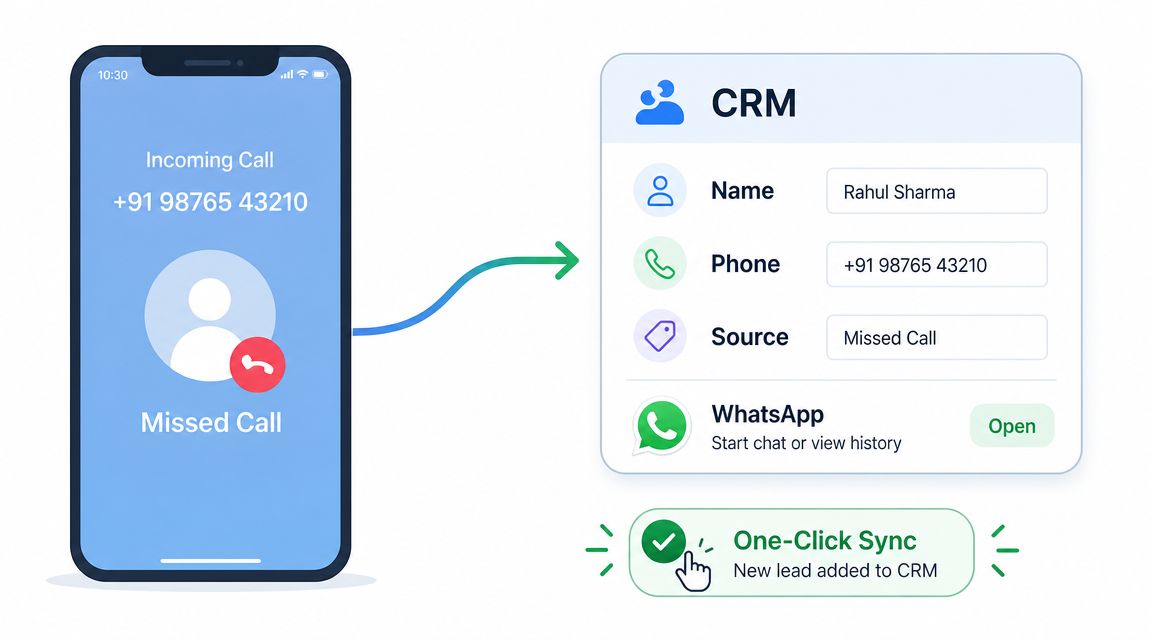
For agencies, this turns a fragile phone interaction into a trackable acquisition event. A real estate team can tag the source as a missed sign-call. An e-commerce agency can treat it like an abandoned cart inquiry. A SaaS team can route it into the same pipeline as a demo request.
How the workflow runs
Use a message like this:
Hi {{first_name}}, sorry we missed your call. You can reply here on WhatsApp and we'll help right away. If you want, send your name and what you need, and we'll route this to the right person.
That copy works because it removes friction. It doesn't ask the lead to call again. It gives them a direct reply path and creates a usable thread the team can continue later.
Independent research on SMB call handling estimates businesses miss a meaningful share of inbound calls, with some datasets placing small and mid-sized businesses at about 62% missed-call rates and another benchmark around 22% overall, alongside consumer evidence that 72% of people have ignored calls due to robocall or scam fears and later realized they missed legitimate calls. In other words, a WhatsApp recovery message often lands in a customer behavior pattern that already favors text over another unknown call attempt.
Implementation notes in Double My Leads
Inside Double My Leads, map the phone number, source, campaign, and assigned owner the moment the missed-call event fires. Then tag the contact with something obvious like missed_call, plus a second tag for channel or asset, such as yard_sign, website_header, or demo_line.
A few setup choices make this template stronger:
- Use source attribution: Pass the inbound number or destination line into the CRM so the team knows what triggered the call.
- Start the welcome flow fast: Send the WhatsApp opener immediately while intent is still high.
- Create non-response logic: If the lead doesn't reply, schedule a follow-up message instead of leaving the thread cold.
- Assign by business rules: Route by office, service line, or language so one inbox doesn't become a bottleneck.
If you want to show clients how this flow behaves in a live WhatsApp workspace, this short walkthrough helps:
2. Personalized Callback Scheduling Template
Some leads don't want a text conversation. They want a real call, just not right now. That's where scheduling inside WhatsApp beats the generic “call us back” reply.
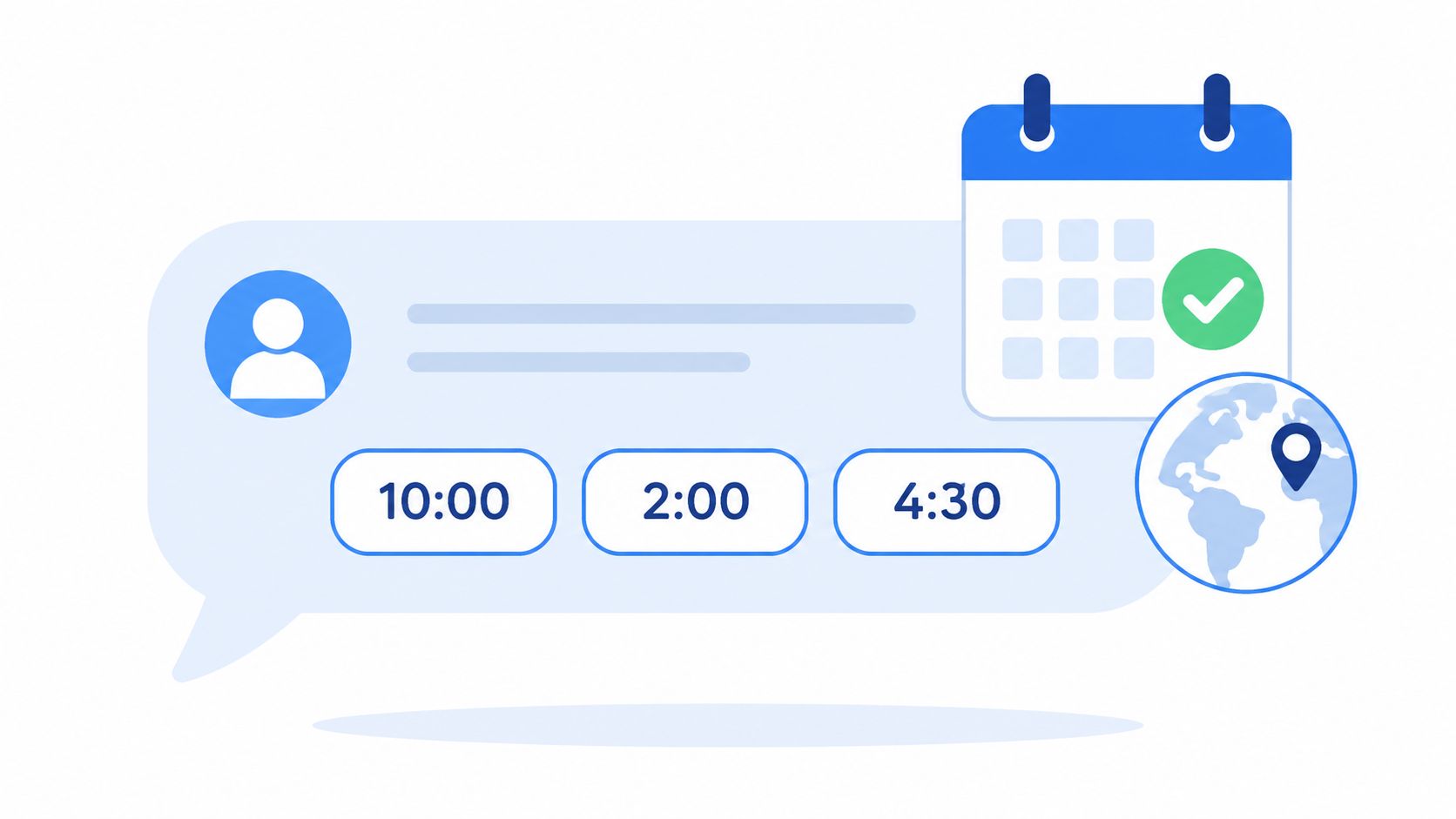
A good callback message gives the prospect two or three clear options. Too many choices slows the reply. Too little structure creates another manual task for the team.
A WhatsApp template that reduces back-and-forth
Try this format:
Sorry we missed your call, {{first_name}}. Want us to call you back? Reply with:
- As soon as possible
- Later today
- Tomorrow morning
This works especially well for B2B SaaS demos, coaching consults, and agency onboarding calls. The lead only has to pick a lane. Once they respond, the team can trigger a second message that confirms the slot or asks one clarifying question about time zone.
Keep the first reply binary or close to it. If the lead has to think, they often stop responding.
What to connect behind the scenes
In Double My Leads, pair quick replies with a webhook to Calendly or your scheduling tool of choice. If the prospect chooses “later today,” push them into a narrower booking message with available windows. If they choose “as soon as possible,” route the chat to a live rep and send an internal assignment.
Useful implementation details:
- Capture time zone early: If the client serves multiple regions, ask for the city or time zone before confirming.
- Send reminders automatically: Use scheduled broadcasts for appointment reminders and reschedule prompts.
- Track booked-from-missed-call separately: This gives agencies a clean offer to report on.
- Use role-based routing: Send sales calls to closers and support calls to service staff.
This template also addresses a broader operational issue. Industry coverage has increasingly treated missed-call response as more than a voicemail substitute, with stronger emphasis on staffing, forwarding, overflow routing, virtual reception, and context-specific response design rather than one auto-text for everything, as discussed in Weave's missed call text overview. That's exactly why callback scheduling belongs in your stack. It's not just messaging. It's controlled handoff.
3. Value-First Content Delivery Template
A plain “sorry we missed you” message often gets ignored. A useful asset gets opened.
For some clients, the best missed call message doesn't push for another call immediately. It delivers something relevant, then lets the prospect raise their hand. That change in tone matters. The business sounds helpful instead of needy.
Lead with something useful
Use a message like:
Sorry we missed your call. I've sent over a quick resource that should help right away. If you want, reply with your biggest question and we'll point you in the right direction.
Then attach the asset. For a digital marketing agency, that might be an SEO audit PDF. For a software company, a product comparison guide. For a fitness coach, a short training video and meal-planning resource.
The content has to match the likely reason for the call. Generic brochures don't work well here. Assets that solve a narrow problem do.
What works best by client type
A few patterns consistently make this template stronger:
- Use short, specific assets: A checklist, comparison sheet, short explainer video, or setup guide usually works better than a long deck.
- Include one CTA only: Ask them to reply with a question, request a call, or view a tracked page. Don't ask for all three.
- Segment by intent: If someone called a pricing line, send pricing-related content. If they called support, send setup help.
- Track engagement in the CRM: Mark whether they opened, clicked, replied, or went silent.
Global demand for missed-call services is still projected to grow, with one market estimate pointing to a 7.4% CAGR from 2019 to 2027, driven largely by SMB lead-generation use cases. For agencies, that matters because buyers increasingly see this as a structured response layer, not a courtesy text.
If you package this template as a service, sell the system, not the message. The offer is asset mapping, automation, routing, and attribution.
4. Multi-Step Automated Follow-Up Sequence Template
One WhatsApp message rarely recovers every missed call. A sequence does better because it gives the prospect more than one chance to re-engage at different moments and with different levels of intent.
A common error is sending the same message repeatedly. Prospects don't need three reminders that you missed their call. They need a sequence that behaves like a competent rep.
Build the sequence like a salesperson would
Start with acknowledgment. Then provide value. Then answer common hesitation. Then ask for the next step. That structure feels natural because it mirrors a real conversation.
A practical example for an AI automation agency could look like this:
- Message one: Acknowledge the missed call and invite a reply.
- Message two: Share a short explainer or use-case asset.
- Message three: Offer a callback or booking option.
- Message four: Handle a common objection such as timing, setup effort, or fit.
- Message five: Close the loop with a final easy reply option.
A practical sequence structure
Here's a clean WhatsApp version:
Message 1: Sorry we missed your call. Reply here and we'll help.
Message 2: Most people contacting us want help with setup, pricing, or results. Which one should we send over?
Message 3: If you'd rather talk live, reply CALL and we'll arrange a time.
Message 4: If timing's the issue, we can also send a short overview first.
Message 5: If this isn't relevant now, reply STOP and we'll close the thread.
Double My Leads functions as a useful productization layer. Trigger the first message from an auto-welcome flow, schedule the later touches, and tag outcomes at each stage. You'll quickly see which industries need more education versus which ones convert from a single callback prompt.
Consumer troubleshooting and support discussions also highlight a less obvious risk in these systems. Missed-call SMS and alert chains can fail because of device state, blocked numbers, forwarding behavior, carrier issues, or delayed notification logic, which is why operational reliability matters as much as message copy in missed-call automation. Don't promise clients that automation alone guarantees recovery. Build monitoring into the workflow.
5. Social Proof & FOMO-Driven Template
This template can convert well, but it's easy to misuse. If every missed call gets a hype-heavy WhatsApp message, the business looks desperate or generic.
Use urgency only when the offer legitimately has a time-sensitive reason to act. Premium cohorts, limited onboarding windows, or application-based services are better fits than routine support lines.
Use urgency carefully
A strong version looks like this:
Sorry we missed your call. We're still reviewing applications for this month's intake. If you want priority review, reply YES here and we'll send the next step on WhatsApp.
That's better than stuffing the message with exaggerated claims. You don't need inflated proof points. You need a credible reason to respond now.
A few real-world use cases where this works:
- Coaching programs: Open or closing enrollment windows.
- Specialized agencies: Limited onboarding capacity for a niche offer.
- SaaS with guided setup: Restricted implementation slots or workshop dates.
When this template earns its place
Keep the message short and pair it with one proof element. That could be a named client logo, a short testimonial, or a specific offer asset. If the business can't support the urgency claim in sales conversations, don't use this format.
Practical rule: Reserve social-proof missed call messages for high-intent offers where timing and trust actually change the buying decision.
In Double My Leads, attach a tracked smart link and route anyone who clicks into a priority queue. That creates a clean split between curious responders and serious buyers. It also gives agencies a premium upsell: urgency messaging plus attribution plus concierge follow-up.
6. Conversation Starter with Qualification Questions Template
A missed call is often the best time to qualify. The lead already showed intent by dialing. If you ask the right question in WhatsApp, the next live conversation gets shorter and sharper.
The key is restraint. Don't turn the chat into a survey. Two questions are usually enough. One can work even better if the category is high volume.
Qualify without making the chat feel like a form
A simple opener:
Sorry we missed your call. To help faster, what are you looking for?
A. Pricing
B. Setup help
C. Something else
Then follow with one more question only if they reply. For a SaaS company, ask implementation timing. For an agency, ask service category. For a coach, ask whether they're exploring or ready to start.
This approach works because the questions feel like routing, not interrogation. The prospect gets faster help. The team gets cleaner context.
Sample WhatsApp qualification flow
A practical two-step sequence for a software client:
- Question one: What's your main question right now? Pricing, integrations, or support?
- Question two: Are you trying to get started soon, or just researching options?
For a GHL agency, route “pricing + soon” responses to sales, and “support + existing client” responses to account management. For a newsletter business, use the answer to decide whether the contact needs sales follow-up or content onboarding.
In Double My Leads, auto-tag by response and write the answers into notes. Then assign ownership based on fit. That's where agencies create margin. You're not just sending missed call messages. You're improving who gets the lead and what context they receive.
7. Community Announcement Group Enrollment Template
Not every missed call should lead to a one-to-one sales thread. For creators, newsletter publishers, coaches, and community-led brands, the better move is often to pull that person into an owned audience on WhatsApp.
That changes the recovery model. Instead of asking for immediate conversion, you keep the contact warm through useful updates and recurring visibility.
Turn missed calls into ongoing audience access
A straightforward message:
Sorry we missed your call. We share updates, guides, and announcements in our WhatsApp community. If you want in, reply JOIN and we'll send the invite.
This works well when the original caller may still be early in their decision. A missed webinar callback, a creator hotline, or a content-driven inquiry can all fit this pattern.
Community enrollment is especially useful for:
- Newsletter publishers: Turn inbound interest into a recurring distribution channel.
- Creators: Move casual intent into a space where future offers are easier to launch.
- Coaches: Nurture prospects before they're ready for a sales call.
- Local service brands: Share timely updates, promos, and service reminders.
How to position the invitation
The invitation has to promise something concrete. “Join our community” is weak. “Get weekly teardown clips, templates, and launch alerts” is stronger because the value is obvious.
Inside Double My Leads, send the invite through Community Announcement Groups and track community-origin leads separately from direct-call recoveries. That matters because these contacts often convert later through broadcasts, event promos, or reply-driven offers.
Community enrollment is a better recovery path when the missed caller isn't ready to buy today but is willing to keep paying attention.
8. Personalized Video Message + Dynamic Smart Link Template
When the lead value is high, text alone can feel thin. A short personalized video adds face, tone, and credibility fast.
This is one of the strongest premium services agencies can resell because it combines personalization with automation. The system sends the trigger, but the prospect receives something that feels human.
The premium follow-up
Use a short script like this:
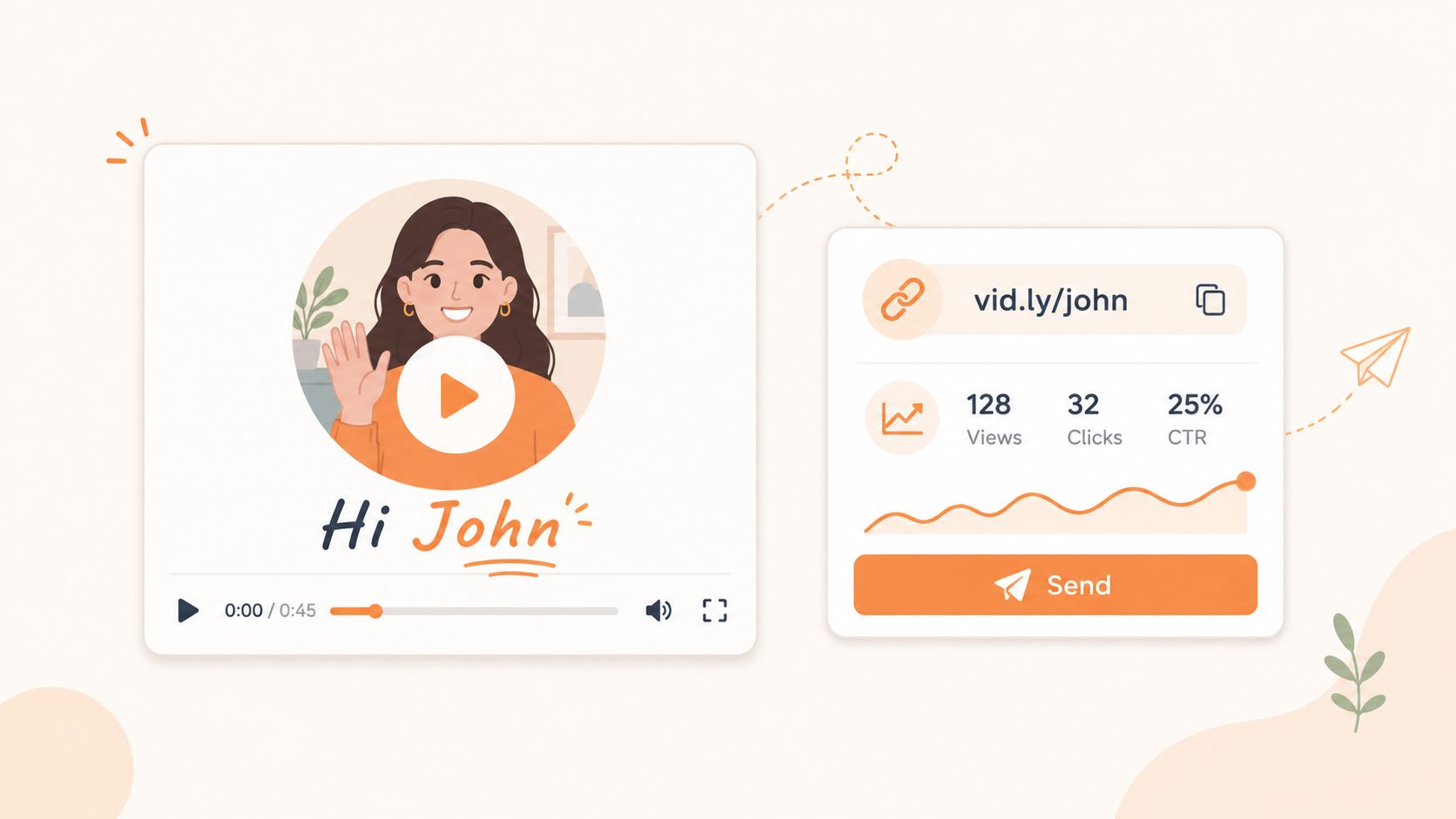
Hi John, saw your missed call. I wanted to quickly explain what we help with and the best next step. I've also included a link below so you can pick a time that works for you.
Then attach the video and follow it with a tracked smart link. Executive coaches, B2B agencies, and consultative SaaS teams can all use this well, especially when the call likely came from a high-intent page or ad.
How to make it scalable
The trick is creating a repeatable production method so reps don't spend all day recording custom follow-ups. Use a base script, keep the video short, personalize the opener, and reuse the same booking or explainer destination link with tracking.
A few operating rules help:
- Keep it concise: The prospect should understand the point quickly.
- Mention the reason for the call: Tie the video to the likely need.
- Place one clear link below the video: Too many options reduce action.
- Review click patterns: If people watch but don't book, the CTA or offer likely needs work.
If you want a faster way to produce lightweight creative variations around video messaging, agencies can also experiment with tools like ShortGenius AI video ad maker. The value isn't novelty. It's speed and consistency across client accounts.
Missed Call Message Templates: 8-Way Comparison
| Template | 🔄 Implementation complexity | 💡 Resource requirements | ⚡ Speed / efficiency | 📊 Expected outcomes | ⭐ Ideal use cases |
|---|---|---|---|---|---|
| Instant Lead Capture & CRM Sync Template | Moderate, CRM integration and phone validation required | CRM access, API work, validation rules | ⚡ Immediate capture and sync | 📊 Near-zero lead loss; accurate attribution; faster follow-ups | High-volume lead gen, e‑commerce, real estate, SaaS demos |
| Personalized Callback Scheduling Template | High, calendar integration and timezone handling | Calendar system, webhooks, dev/testing | ⚡ Fast scheduling; reduces back‑and‑forth | 📊 Higher callback completion; fewer no‑shows | B2B demos, coaching, client onboarding |
| Value-First Content Delivery Template | Low–Moderate, content delivery and tracking setup | High-quality PDFs/videos, hosting, tracking | ⚡ Instant value delivery to prospects | 📊 Increased engagement; higher callback acceptance | Content agencies, coaches, product education |
| Multi-Step Automated Follow-Up Sequence Template | High, sequence design, branching, monitoring | Workflow builder, copywriting, analytics | ⚡ Automation saves team time over days | 📊 Converts more missed calls; scalable nurture | Onboarding flows, demo follow-ups, nurture campaigns |
| Social Proof & FOMO-Driven Template | Moderate, testimonial verification and timer setup | Authentic testimonials, design assets, tracking | ⚡ Creates urgency for fast decisions | 📊 Large uplift in immediate responses; risk of unqualified leads | High-ticket offers, cohort enrollments, limited promotions |
| Conversation Starter with Qualification Questions Template | Moderate–High, conditional routing and tagging logic | Strategic Q design, routing rules, tag system | ⚡ Slower initial response but faster qualification | 📊 Better lead quality; more efficient sales calls | Enterprise SaaS, SDR teams, consultative selling |
| Community Announcement Group Enrollment Template | Low, group link and welcome flow setup | Community content plan, moderation, group links | ⚡ Quick enrollment; ongoing engagement over time | 📊 Converts contacts into recurring touchpoints | Newsletter creators, community-first brands, creators |
| Personalized Video Message + Dynamic Smart Link Template | High, video creation, smart links, tracking integration | Video tools, compression, smart link builders, analytics | ⚡ High-impact but slower to produce at scale | 📊 Strong engagement and attribution; premium differentiation | Premium B2B, executive coaches, high-ticket sales |
Automate and Scale Your Missed Call Strategy
Missed call messages work best when they're tied to a real operating system. The message itself matters, but the bigger win comes from what happens after it. Does the lead get tagged correctly? Does the right person see it? Does the workflow adapt to intent, urgency, and business type? If the answer is no, the client still loses opportunities even if the first WhatsApp reply looks polished.
That's why agencies should stop selling this as a template bundle and start selling it as infrastructure. A local service business may need immediate callback routing. A B2B SaaS company may need scheduling logic and qualification tags. A creator or newsletter brand may get more value from community enrollment than from trying to force every caller into a sales chat. The template is only the front door.
The practical trade-off is simple. More automation creates better coverage, but too much generic automation lowers trust. More personalization improves response quality, but it takes stronger routing, better assets, and tighter operations to scale. The best client setups mix both. Automate the trigger, the tagging, the handoff, and the reminders. Personalize the message path based on why the person likely called and what the business can realistically do next.
If I'm building this for an agency client, I usually start with one recovery lane, not all eight. Pick the highest-intent missed call scenario. Wire it into an auto-welcome flow. Add tags, ownership rules, and one follow-up if there's no response. Once that path is stable, layer in scheduling, qualification, content delivery, or community enrollment. That order matters because a brittle automation stack creates hidden lead loss.
This is also where broader communication workflows start to overlap. If your team already handles voice notes, voicemail transcription, or call summaries elsewhere, there's a lot to learn from adjacent systems such as Whisper AI's proven methods. The core lesson is the same. Fast acknowledgment, clear next steps, and usable follow-up data beat passive inboxes every time.
Choose one template from this list and launch it this week. If you're serving multiple clients, package the build as a white-label WhatsApp missed-call recovery offer with setup, tagging, routing, and reporting. That's easier to sell than “automation” in the abstract, and it's easier for clients to understand because the lost-opportunity problem is already obvious.
Double My Leads gives agencies a practical way to turn these missed call messages into a resellable service. You can launch a white-labeled WhatsApp workspace quickly, connect numbers by QR code, automate welcome flows, sync CRM participants with source attribution, run broadcasts, assign chats, and track replies without stitching together a fragile stack. If you want to package missed-call recovery as a recurring offer instead of a custom project, start with Double My Leads.


